
Greenhouse Review
A structured-hiring ATS built for scaling and enterprise talent teams. Genuinely rigorous, genuinely quote-only, and priced to grow with your headcount.
Greenhouse is a structured-hiring applicant tracking system (ATS) built for scaling and enterprise talent teams that treat hiring as a repeatable, measurable process rather than a series of gut calls. Pricing is quote-only across three tiers, Core, Plus, and Pro (formerly Essential, Advanced, and Expert), with no public rate card and no free trial. Third-party buyer data puts the floor around $6,500 per year for small teams and $10,000 to $40,000 for growing companies, climbing past $50,000 for enterprises, all priced per employee. Its biggest strength is disciplined, structured hiring: interview kits, scorecards, and 450+ integrations that keep every requisition consistent and auditable. The biggest catches are cost and setup: the per-employee model gets expensive as you scale, contracts are annual, and doing structured hiring well takes real implementation effort. The closest alternatives are Lever, Ashby, Workable, and SmartRecruiters.
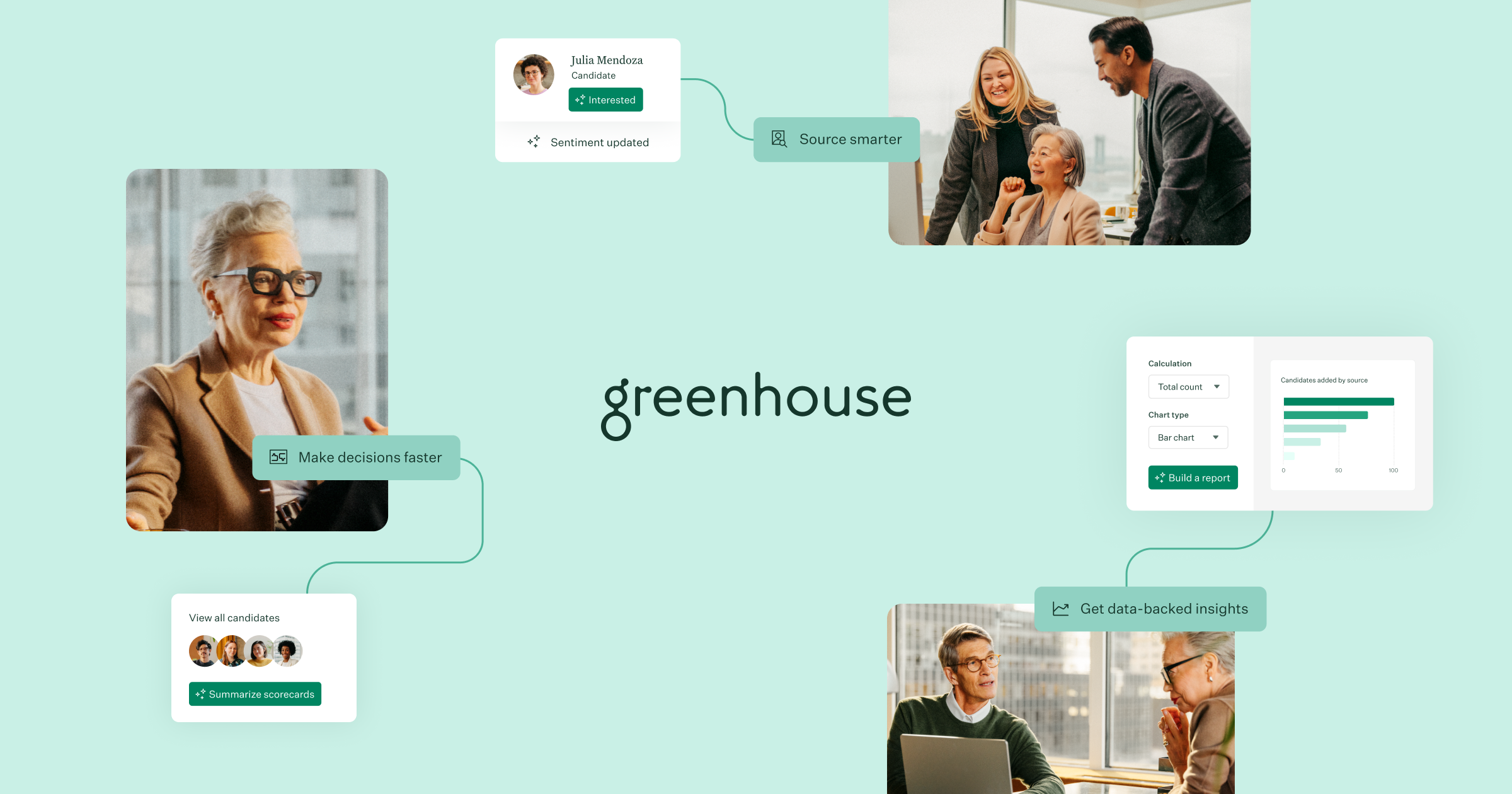
Greenhouse is one of the first names a talent acquisition leader hears when a company decides its hiring has to get serious. It sits in the crowded ATS category next to Lever, Ashby, Workable, and SmartRecruiters, and it has built its reputation on one idea: hiring should be structured, consistent, and measurable.
The real question for a TA leader is not whether Greenhouse can post a job and track candidates, because every ATS does that. It is whether the platform's rigor earns a per-employee price that only appears after a sales call, and whether your team will actually run the structured process the tool is built around.
This review is written for talent acquisition and HR leaders evaluating Greenhouse for a scaling or enterprise team. We look at what each tier includes, what it realistically costs, how it feels to set up and run day to day, where the product is genuinely strong, and where it falls short against lighter tools. We also cover who should skip it, and four alternatives worth a quote before you sign.
What is Greenhouse?
Greenhouse is a cloud applicant tracking system and hiring platform, made by Greenhouse Software, a company founded in 2012 and headquartered in New York. It serves more than 6,500 customers, from scaling startups to large enterprises, and counts names like the NFL, Coursera, HelloFresh, and Anthropic among them.
At the center is structured hiring, the philosophy the whole product is built around. For every role you define the attributes you are hiring for, build interview kits that tell each interviewer what to assess, and collect scorecards so decisions rest on evidence instead of hallway consensus.
Around that core sit the modules TA teams live in: sourcing and a candidate CRM for building talent pools and nurturing passive candidates, sourcing automation for outreach sequences, scheduling, reporting and analytics, and onboarding to carry new hires from signed offer to first day.
On top of that is a growing set of AI features, including the Greenhouse Notetaker, which transcribes interviews and maps notes to scorecard questions, plus Real Talent for identity verification and fraud detection.
What sets Greenhouse apart is discipline. It is opinionated about how hiring should work, and it bakes DE&I features, structured feedback, and more than 450 integrations into a process designed to stay consistent and auditable at scale.
How Greenhouse works
Setup runs through a guided implementation. You configure your job templates, interview stages, interview kits, and scorecards, connect your job boards and HRIS, and map approval chains for openings and offers.
This configuration is where Greenhouse asks the most of you: the platform rewards teams that take the time to define a real hiring process, and underwhelms teams that just want to dump resumes into a pipeline.
Day to day, recruiters live in the candidate pipeline and the sourcing CRM, moving people through stages, running outreach, and scheduling interviews. Hiring managers and interviewers get a focused view: their assigned interviews, the kit that tells them what to probe, and a scorecard to submit structured feedback.
TA leaders live in reporting, where Greenhouse is strong, tracking funnel conversion, source effectiveness, time to hire, and DE&I metrics across the whole organization.
Integrations connect through a large marketplace with named connectors for LinkedIn, Slack, Zoom, Workday, BambooHR, HiBob, DocuSign, and hundreds of assessment, sourcing, and background-check tools.
The rough edges show up in flexibility and reporting depth. Custom reporting can feel limited unless you are on a higher tier or pipe data into your own BI tool, the structured model can feel rigid to teams that hire informally, and configuring it well often needs dedicated recruiting-operations time during the first weeks.
Greenhouse key features
Greenhouse pricing
Greenhouse does not publish prices. Pricing is customized to your company's hiring needs and only shared after you talk to sales, and there is no free trial.
The platform is sold across three tiers, Core, Plus, and Pro (formerly Essential, Advanced, and Expert), and is priced per employee, so your bill scales with headcount rather than with the number of recruiters or open roles.
For a rough benchmark, third-party buyer data gives a usable range. Core starts around $6,500 per year for small teams, which works out to roughly $8 to $15 per employee per month for companies under 50 people.
Growing companies on Plus typically pay $10,000 to $40,000 a year, and enterprises on Pro land in the $50,000 to $70,000 range. Buyer-reported data from PriceLevel put the median Greenhouse contract near $12,250 a year in 2025. Treat these as a starting point, not a quote.
Watch the extras, because this is where budgets slip. Implementation runs about $1,000 to $15,000 as a one-time fee, sourcing automation is a separate add-on sold by seat (often cited near $25,000 for ten seats), and renewals commonly carry 8 to 15 percent annual increases.
Contracts are typically annual and prepaid, with discounts available on two and three year terms.
The practical advice: get every module you need into the first quote, negotiate the per-employee rate hard because it applies to every future hire, and confirm what reporting and sourcing automation cost before you sign.
| Plan | Price | Best for |
|---|---|---|
| Core (formerly Essential) | Est. from ~$6,500 / yr | Structured hiring base |
| Plus (formerly Advanced) | Est. $10,000 to $40,000 / yr | Sourcing automation & BI |
| Pro (formerly Expert) | Est. $50,000 to $70,000 / yr | Enterprise & compliance |
Greenhouse pros and cons
What we like
- Structured hiring, interview kits, and scorecards make hiring consistent and evidence-based.
- Excellent reporting, analytics, and DE&I features across the whole hiring funnel.
- Over 450 integrations, plus deep sourcing, CRM, and automation for proactive recruiting.
What could be better
- No public pricing and no free trial; every quote runs through sales, priced per employee so it climbs with headcount.
- Annual, prepaid contracts with 8 to 15 percent renewal increases and paid add-ons like sourcing automation.
- Overkill and costly for very small teams, and doing structured hiring well takes real implementation effort.
Who Greenhouse is for
Greenhouse is a strong fit for scaling and enterprise companies, roughly 100 employees and up, that hire often enough to justify a real, structured process and have someone in recruiting operations to own it.
Fast-growing tech companies, high-volume hiring teams, and enterprises that care about consistency, compliance, and DE&I reporting are its core audience. If you want every interviewer assessing the same things, every decision backed by a scorecard, and clean funnel analytics across the org, Greenhouse is one of the best tools you can buy.
It is a poor fit in a few clear cases. Very small teams hiring a handful of people a year will find it heavy and expensive for what they need, and a simpler, cheaper ATS will serve them better. Teams that hire informally and do not want to be told how to run interviews will fight the structured model rather than benefit from it.
And budget-sensitive buyers who need transparent, self-serve pricing may prefer a tool that publishes its rates, since Greenhouse always routes through sales.
Best Greenhouse alternatives
If Greenhouse is not the right fit, these are the closest options.
| Tool | Best for | Starts at | |
|---|---|---|---|
| Greenhouse | Scaling and enterprise talent teams (roughly 100+ employees) that want disciplined, structured hiring with strong reporting. | No public pricing | Visit → |
| Lever | Mid-market recruiting teams that want an ATS and candidate CRM combined in one clean system. | Quote-based, priced per employee | Visit → |
| Ashby | Data-driven startups and scale-ups that want an all-in-one ATS, CRM, scheduling, and best-in-class analytics. | Quote-based and priced per employee, with a floor around $400/month ($ | Visit → |
| Workable | Small and mid-size businesses that want affordable, transparent hiring plus light HR in one tool. | Transparent public pricing: Standard from $299/month ($3,588/year), Pr | Visit → |
| SmartRecruiters | Enterprise and global talent teams running high-volume hiring across many locations. | Quote-based, priced by employee count | Visit → |
The bottom line
Greenhouse earns its reputation. For a scaling or enterprise talent team that wants hiring to be consistent, measurable, and fair, it is one of the most rigorous platforms you can buy, and the structured-hiring model genuinely improves decisions.
Interview kits, scorecards, sourcing, CRM, and reporting are all strong, and more than 450 integrations mean it slots into your existing stack.
The trade-off is cost and commitment: you buy per employee, through sales, on an annual contract, with real implementation effort and no trial to test first.
Buy Greenhouse if structured hiring and analytics justify the premium. If you want an ATS and CRM in one friendlier package, look at Lever; if analytics and a modern all-in-one tool matter most, look at Ashby; if you need transparent, affordable pricing today, Workable is the pick; and if you run high-volume enterprise hiring across regions, SmartRecruiters is built for it.
Frequently asked questions
Get the HRpresso brief
Free daily newsletter, read in 5 minutes.
Subscribe free